
An inland ocean
In late March 2025, western Queensland received two years worth of rain in less than a week. Coming on top of February deluges that hit the upper reaches of many rivers, it produced a flood of unprecedented size. Very large volumes of water entered several enormous catchments simultaneously and then travelled downstream through extremely flat Channel Country.
Western Queensland is accustomed to cycles of drought and flood, but the 2025 flood was well beyond anything seen in the last 100 years, forming a huge inland ocean. Inundated roadways left towns isolated for weeks, while livestock and buildings were inundated or swept away.
More than 15,000 people were displaced and many had to be evacuated by boat or helicopter from towns like Adavale, Windorah, Jundah and Thargominda, as well as surrounding properties.
One of the worst hit regions was the area managed by the Remote Area Planning and Development Board (RAPAD).

0head of livestock lost

0kilometres of fencing impacted

0kilometres of private roads damaged
Impact on fencing
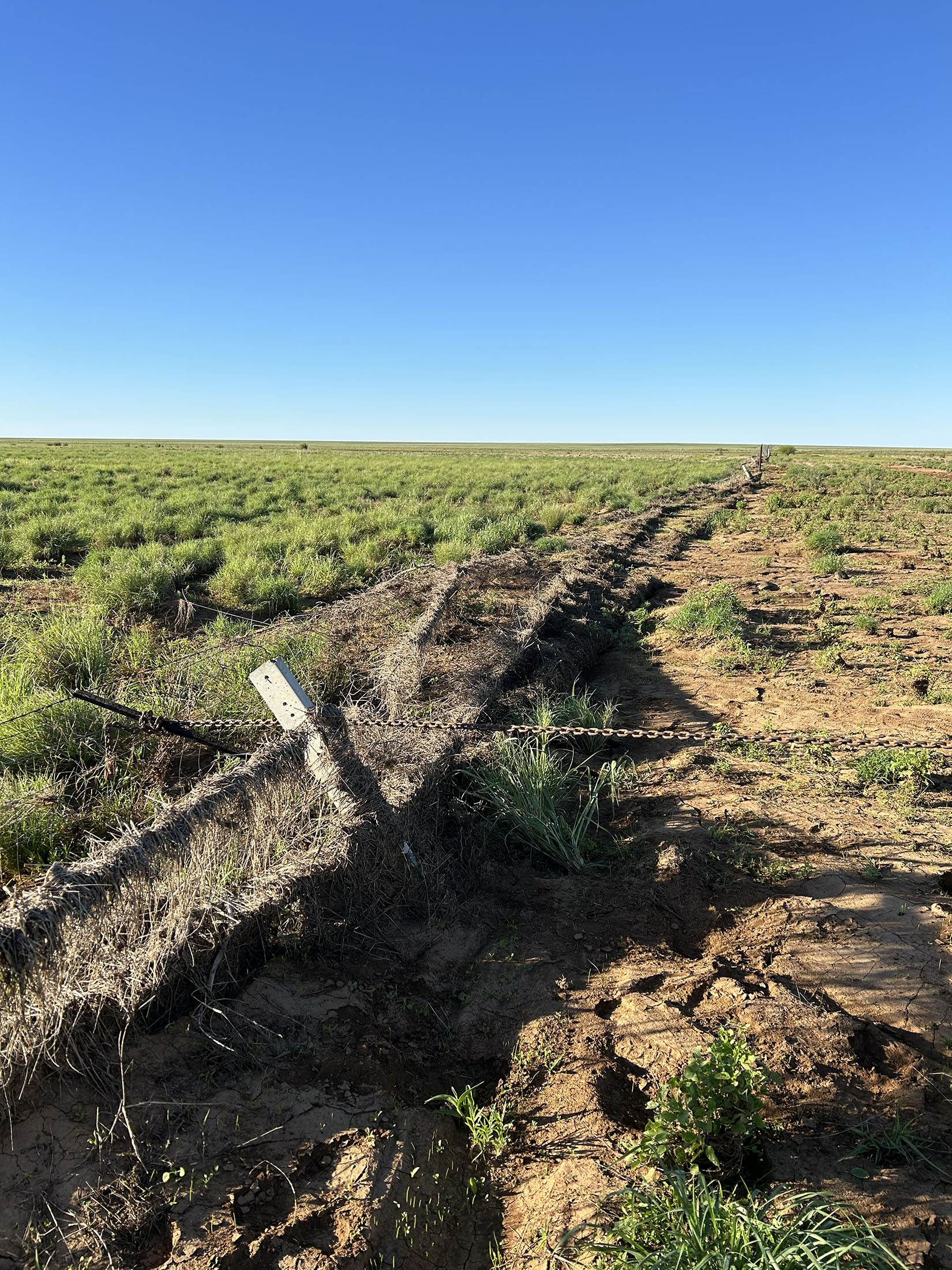
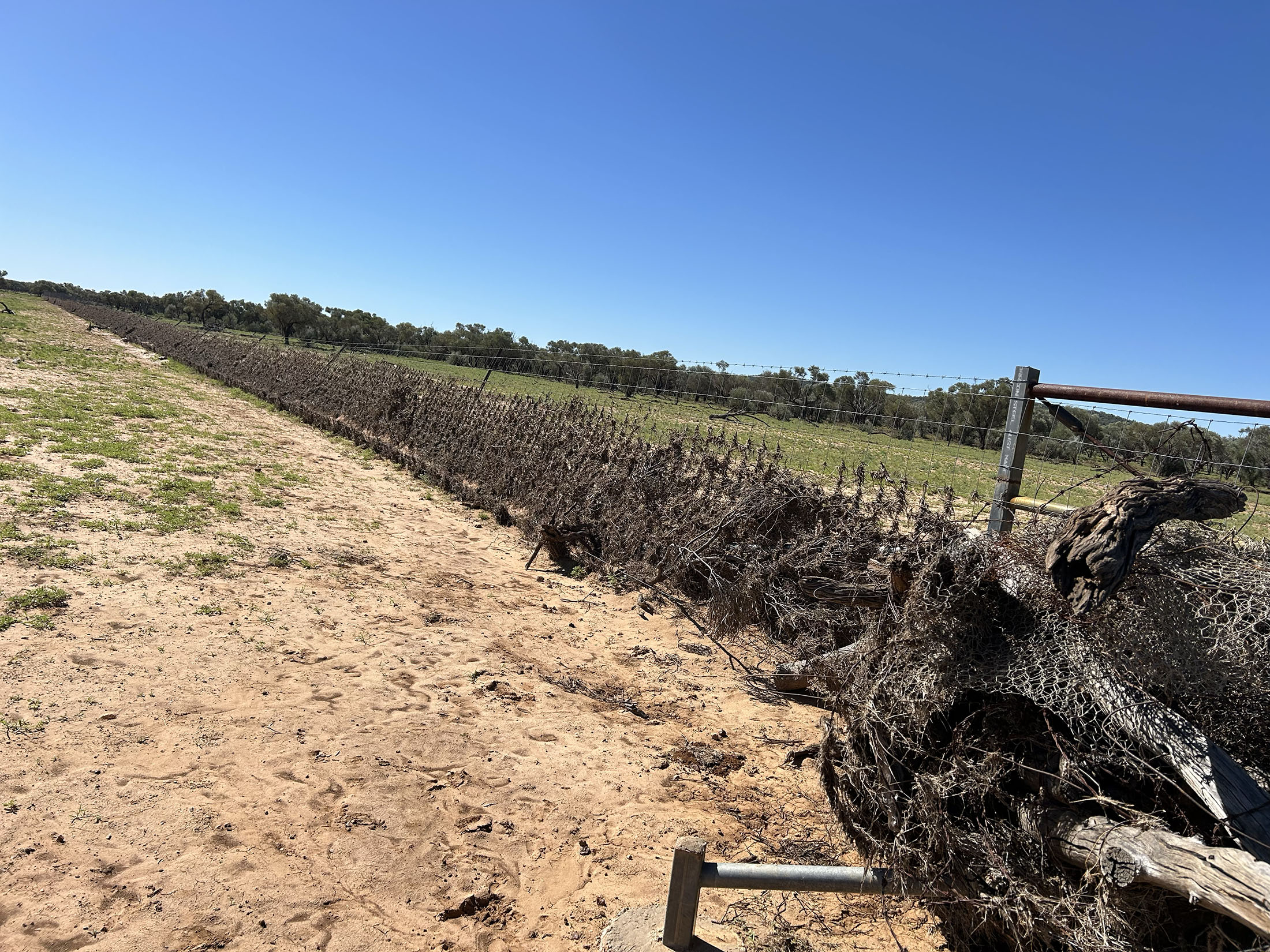
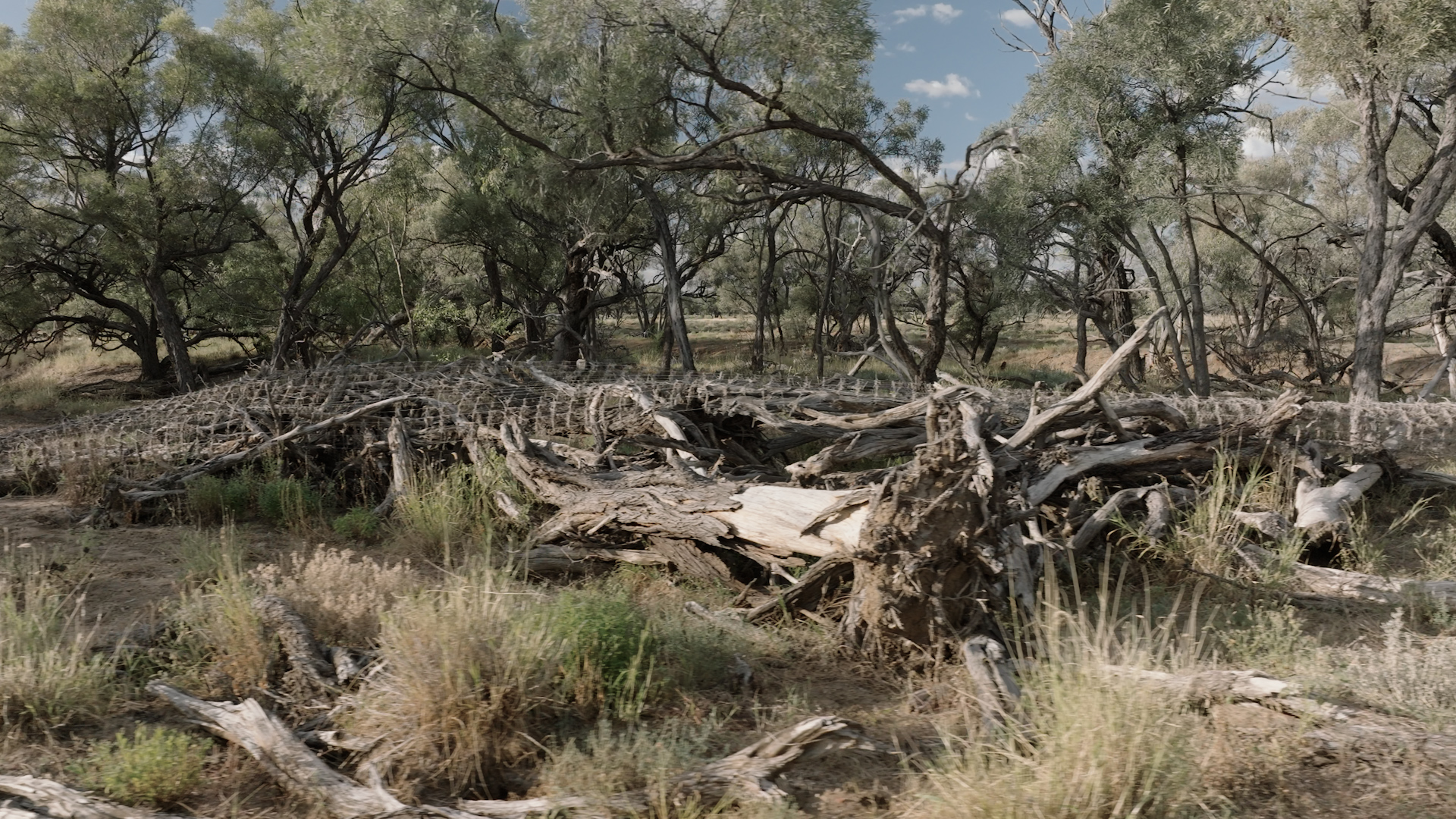
As the water began receding, one of the most significant impacts of the flood became apparent.
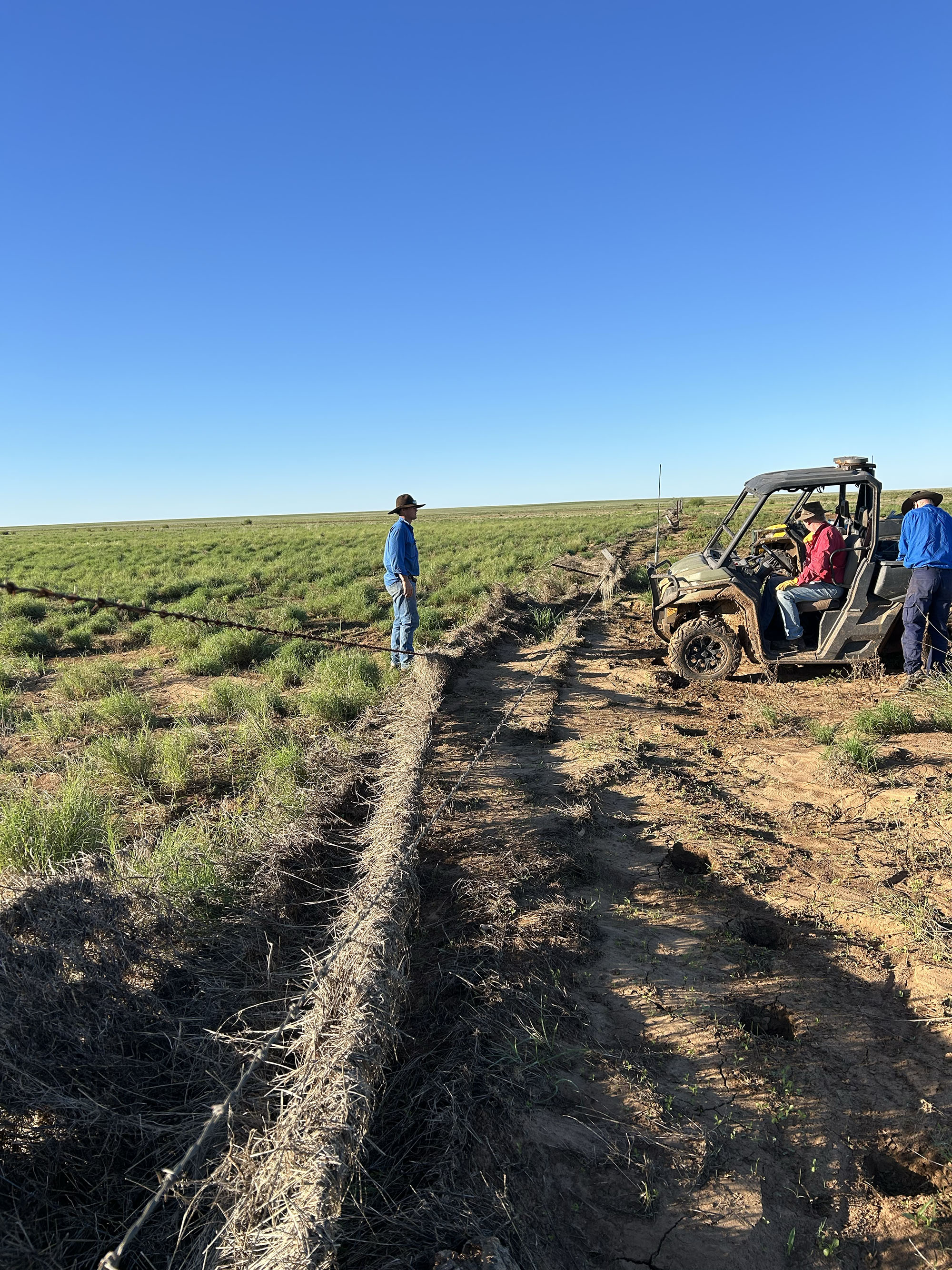
Exclusion fencing, which landholders had invested in to protect their properties over the previous ten years, had been extensively damaged. By keeping out wild dogs and wild pigs, the fences had enabled many landholders to run mixed enterprises involving large stock (cattle) and small stock (sheep and goats). It had the additional benefits of reducing total grazing pressure, enabling the land to regenerate more quickly, and of improving biosecurity.
Exclusion fencing is seen by landholders as a critical, multi-generational infrastructure asset.
Since 2017, The Queensland Feral Pest Initiative (QFPI) cluster fencing program involved around 4,000km of fencing protecting approximately 2,250,000 ha. When combined with other programs and private fencing, estimates of the total area now protected with exclusion fencing in the RAPAD region between 6,000,0000 and 8,000,000 ha.
The fencing damage was enormous and potentially one of the most economically significant long-term consequences.
Constructing the exclusion fence had allowed many landholders to run sheep for the first time in many years as they were protected from predation.
Gaps in the fences exposed whole properties to wild pigs and wild dogs, drastically reducing lambing rates and leading to terrified stock cornered in one paddock, scared to even go to watering holes. Restocking to replace livestock killed in the flood makes little sense while the fence is compromised, so landholders' income is reduced at the very time they're dealing with massive clean-up costs.
Recovery in these conditions is prolonged and has an impact across entire regions.
An urgent response
Clearly, restoring the fence was a major priority.
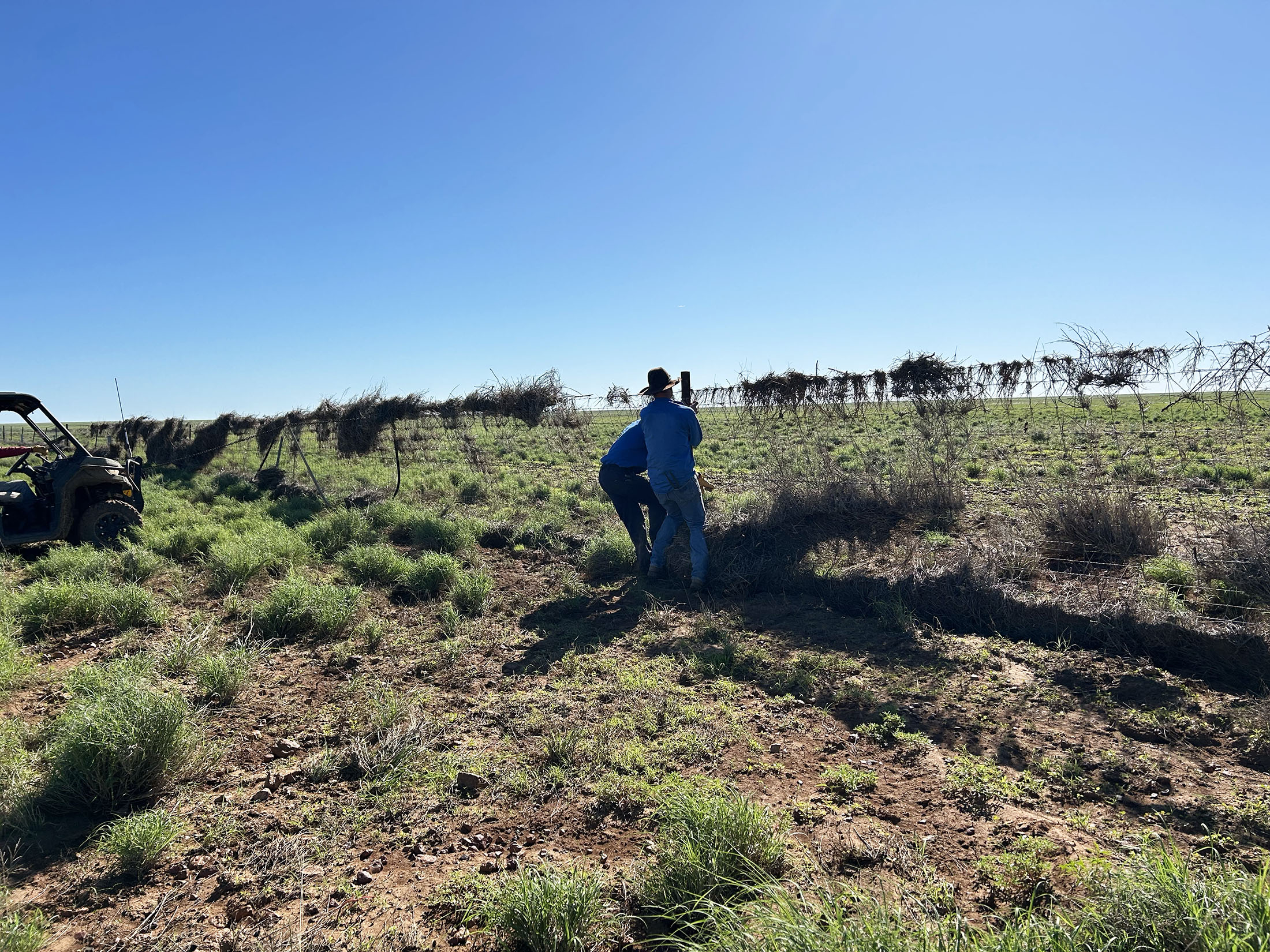
Landholders propped up fences wherever possible, making the best out of any sections that hadn't been completely destroyed. Many places, however, had no usable fence left. Others were difficult to secure, running through gullies or broken country.
Replacing the fence is expensive. Costs vary, depending on the topography it's being constructed on, but typically averages at around $15,000 per km for materials and contract installation. Landholders were also competing for the same materials and contractors, driving up prices and increasing wait times.
In response, the Queensland and Australian Governments established a $105 million Exclusion Fence Restitution Fund, with grants of up to $500,000 per producer to rebuild damaged or destroyed exclusion fencing. Of this, approximately half was allocated to RAPAD.

RAPAD received0applications from landholders
They had damage to approximately0kilometres of fencing

Cost of remediation is around$0

The regional benefit of the funding is expected to be around$5 per $1invested
RAPAD was able to distribute the funds quickly after they came through. That quick response gave landholders the certainty to allow them to book contractors and order material, knowing that they weren't going to run into financial issues.
With that employment and spending, the overall economic conditions of the region improved more rapidly than would otherwise have happened.
Rebuilding stronger
Exclusion fencing is a long-term investment in the region.
It not only protects livestock from predation, it improves reproductive performance, improves production, improves pasture management and reduces biosecurity costs.
The flood has shown that waters can reach areas previously thought safe. This has led to the realisation that the fencing needs to adapt to the new conditions. Vulnerable sections prone to erosion, or where the contours of the land make construction difficult, need a stronger solution than regular exclusion fencing. Drill stem can provide that strength. It's expensive, but not as expensive as having to rebuild again.
At a time when there are seemingly endless costs, this funding allows landholders to future-proof their fence without having to compromise in other areas.

The importance of community
Ultimately, the rebuilding from the flood is about rebuilding rural communities, both economically and socially.
This wouldn't be possible if those communities weren't already resilient, coming together to battle adversity whenever it is required. This was on display during and in the immediate aftermath of the flood – those who were able to set about helping those with the most urgent needs, supplying food and generators, refuelling rescue helicopters and dealing with flooded houses.
However, this resilience isn't enough if there isn't money coming into the region. This is why the restoration of the fencing is such a vital project – it allows landholders to get through the tough time and keep producing jobs and income that benefit the whole region. Without such a quick response, many may have struggled to re-stock for a long time, and some may have been driven off the land. The consequences of that would have been felt by the entire region.
The restoration of the exclusion fence brings a confidence in the future that impacts not just the current generation, but those who follow as well.
Hall Chadwick Queensland have prepared a Monitoring, Evaluation, Reporting and Improvement Plan for the Exclusion Fence Restitution Fund on behalf of RAPAD.